
In the pursuit of a healthier lifestyle, nutrition plays a central role in achieving both weight loss and muscle gain. Among all nutrients, protein is particularly important because it supports muscle repair, enhances satiety, and boosts metabolism. High-protein diets have been widely recognized for their effectiveness in reducing body fat while preserving lean muscle mass. Incorporating healthy, protein-rich recipes into daily meals can make it easier to stay consistent with fitness goals. By combining balanced nutrition with proper meal planning, individuals can achieve sustainable and long-term results.
Importance of Protein in Diet
Protein is an essential macronutrient made up of amino acids, which are the building blocks of the body. It plays a critical role in repairing tissues, building muscles, and supporting various bodily functions. For individuals aiming to lose weight, protein helps increase feelings of fullness, reducing overall calorie intake.
Additionally, protein has a higher thermic effect compared to fats and carbohydrates, meaning the body burns more calories during its digestion. This contributes to improved metabolism and fat loss.
For muscle gain, adequate protein intake is necessary to support muscle protein synthesis, especially when combined with strength training exercises. Without sufficient protein, muscle growth and recovery can be limited.
Benefits of High-Protein Recipes
High-protein recipes offer multiple benefits beyond basic nutrition. One of the key advantages is improved satiety, which helps control hunger and prevents overeating. This is particularly beneficial for those trying to maintain a calorie deficit for weight loss.
These recipes also support muscle maintenance during weight loss, ensuring that the body loses fat rather than muscle mass. This leads to a more toned and healthy physique.
Furthermore, high-protein meals can help stabilize blood sugar levels, reducing energy crashes and cravings. This contributes to better overall energy and productivity throughout the day.
Healthy High-Protein Breakfast Ideas
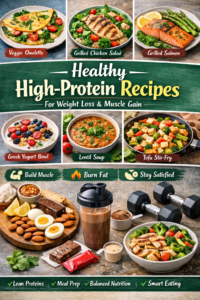
Starting the day with a protein-rich breakfast can set the tone for better eating habits. One popular option is a vegetable omelet made with eggs, spinach, tomatoes, and low-fat cheese. Eggs are a complete protein source, providing all essential amino acids.
Greek yogurt bowls with fruits, nuts, and seeds are another excellent choice. They offer a combination of protein, healthy fats, and fiber, making them both nutritious and satisfying.
Protein smoothies made with milk, protein powder, and fruits can be a quick and convenient option for busy mornings. These meals not only provide energy but also help prevent mid-morning hunger.
High-Protein Lunch Recipes
Lunch should be balanced and nourishing to sustain energy levels throughout the day. Grilled chicken salad with leafy greens, quinoa, and a light dressing is a great high-protein option. It combines lean protein with complex carbohydrates and healthy fats.
Another healthy choice is lentil soup, which is rich in plant-based protein and fiber. It is filling, nutritious, and easy to prepare.
For those who prefer vegetarian options, chickpea and vegetable stir-fry can be an excellent meal. These recipes help maintain energy levels and support muscle recovery during the day.
Protein-Rich Dinner Options
Dinner meals should be light yet protein-rich to support recovery and avoid excess calorie intake. Grilled fish such as salmon or tuna is an excellent option, as it provides high-quality protein along with omega-3 fatty acids.
Lean meats like chicken or turkey paired with steamed vegetables and brown rice create a balanced and satisfying meal. These dishes help repair muscles after a long day and support overall health.
Vegetarian options such as tofu or paneer stir-fry with vegetables can also provide sufficient protein. These meals are ideal for maintaining muscle mass while promoting fat loss.
Snacks for Muscle Gain and Weight Loss
Healthy snacks play an important role in maintaining energy and preventing overeating. High-protein snacks such as boiled eggs, cottage cheese, and roasted chickpeas are simple yet effective options.
Protein bars and shakes can be convenient for individuals with busy schedules, but it is important to choose options with minimal added sugars.
Nuts and seeds also provide a good balance of protein and healthy fats, making them a great snack choice. Including protein-rich snacks between meals helps maintain steady energy levels and supports muscle growth.
Tips for Preparing High-Protein Meals
Preparing high-protein meals requires careful planning and ingredient selection. One important tip is to include a source of protein in every meal, whether it is animal-based or plant-based.
Using healthy cooking methods such as grilling, baking, or steaming can help retain nutrients while reducing excess fat. Avoiding deep-frying is essential for maintaining a healthy diet.
Meal prepping can also be beneficial, as it ensures that nutritious options are readily available and reduces the temptation to choose unhealthy foods. Proper portion control is equally important to achieve desired fitness goals.
Common Mistakes to Avoid
While following a high-protein diet, certain mistakes should be avoided. One common error is consuming excessive protein while neglecting other essential nutrients such as carbohydrates, fats, vitamins, and minerals. A balanced diet is crucial for overall health.
Another mistake is relying heavily on processed protein products instead of whole foods. Natural sources of protein are generally more nutritious and beneficial.
Ignoring hydration is also a concern, as higher protein intake may require increased water consumption. Lastly, inconsistent eating habits can hinder progress, making it important to maintain regular and balanced meals.
Conclusion
Healthy high-protein recipes are a powerful tool for achieving weight loss and muscle gain in a sustainable manner. By incorporating nutrient-rich meals into daily routines, individuals can improve metabolism, enhance muscle growth, and maintain overall well-being.
The key to success lies in balance, consistency, and mindful eating. Combining high-protein foods with proper exercise and healthy lifestyle habits can lead to long-term results. As awareness about nutrition continues to grow, high-protein diets remain a reliable and effective approach to achieving fitness goals.
